



The Science Behind Data-Driven B2B Branding: How to Make Smarter Decisions
Introduction
In today’s fast-paced B2B landscape, traditional branding built on intuition alone is no longer enough. Buying journeys are longer, decision-makers are more informed, and competition is intense. For modern B2B brands, data-driven branding has become essential, not just to stand out, but to build trust, consistency, and measurable business impact.
When branding is guided by real customer insights, brands can move beyond surface-level visibility and start influencing pipeline, perception, and long-term growth.
Why Data-Driven Branding Matters in B2B Marketing
Data-driven branding is not just a buzzword; it’s the key to reducing assumptions and creating a brand that resonates with the audience. By relying on data rather than guesswork, B2B marketers can gain deeper insights into customer behaviors, preferences, and pain points, making it easier to craft messages and campaigns that truly connect.
In addition, data enhances brand consistency by ensuring every marketing effort is grounded in real-time insights and not based on outdated tactics or assumptions.
Common Mistakes in Traditional B2B Branding
In the traditional B2B branding world, many companies fall into the trap of relying on generic strategies and assumptions about their target audience. Common mistakes include:
- Ignoring Data Insights: Relying on gut feelings or outdated customer personas instead of using current data to inform strategies.
- Overlooking Brand Differentiation: Failing to clearly define and communicate what sets your brand apart from competitors.
- Inconsistent Messaging: Inconsistent messaging across channels leads to confusion and diluted brand identity.
As competition increases, these mistakes become more detrimental, highlighting the need for data-backed strategies to ensure a brand stands out and delivers consistent, effective messaging.
The Role of Data in B2B Branding
Understanding Your Audience:
The foundation of any data-driven branding strategy is a deep understanding of your audience. Analytics tools provide invaluable insights into customer demographics, behaviors, and preferences. This data allows B2B marketers to segment their audience more effectively and tailor their messaging accordingly.
Brand Differentiation:
Using data to identify your unique selling points (USPs) and market positioning is crucial in a crowded B2B market. By analyzing competitors, market trends, and customer feedback, you can pinpoint what truly sets your brand apart. This clarity helps in positioning your brand as the solution your target audience needs, leading to increased customer loyalty.
Sentiment Analysis:
Monitoring and analyzing customer sentiment is another powerful use of data. Sentiment analysis tools help brands track how their audience feels about their messaging, products, or services. By continuously monitoring customer reactions, you can adjust your approach, ensuring your brand remains relevant and resonates with your audience.
How to Build a Data-Driven B2B Brand
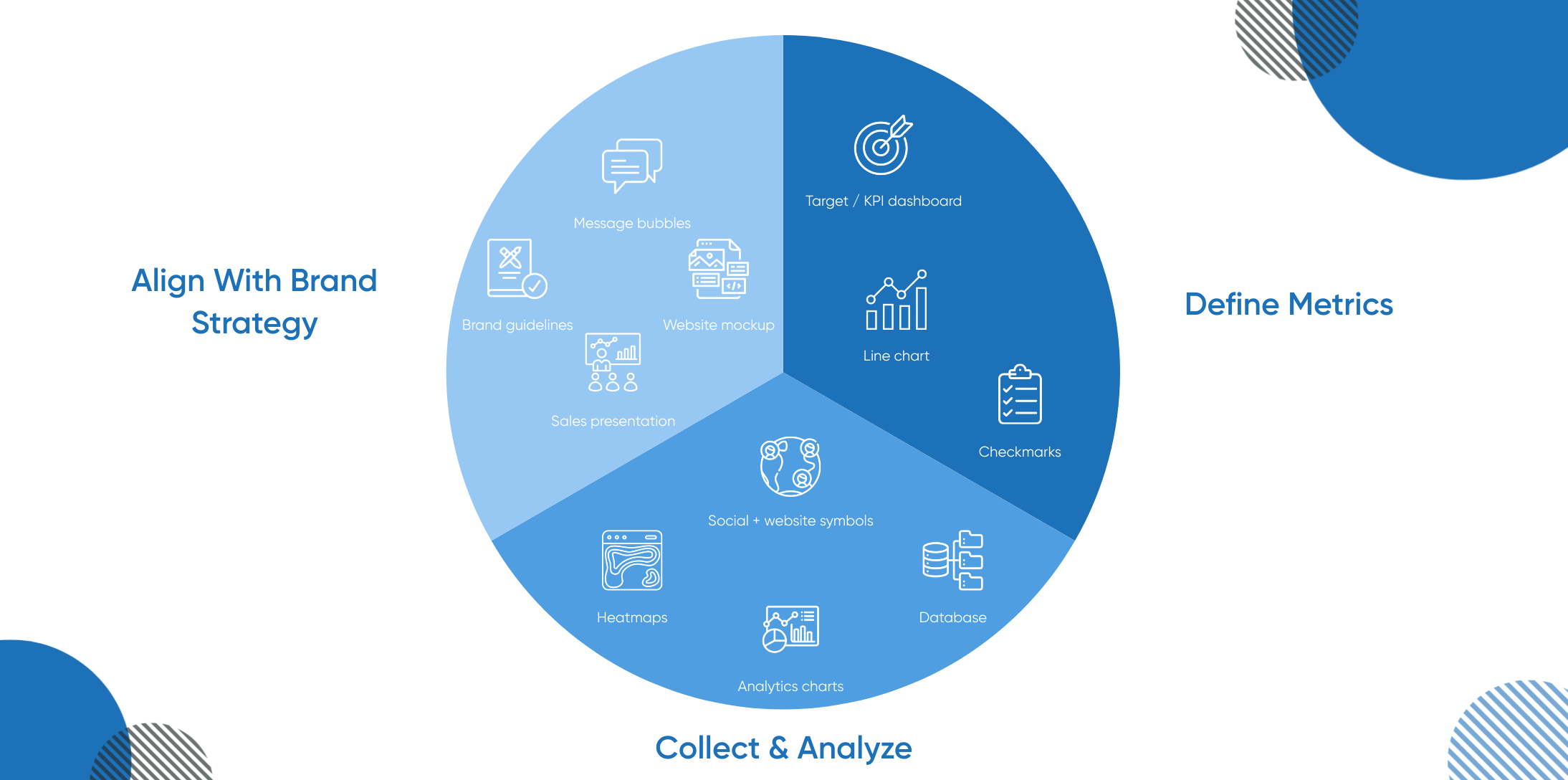
1. Define Your Brand Metrics:
Before diving into data, it’s important to define the key metrics that will determine your brand’s success. Whether it’s customer satisfaction, lead conversion, or social media engagement, identifying these KPIs early on will guide your data collection and analysis efforts.
2. Collect and Analyze the Data:
Gather data from a variety of sources, including website traffic, social media insights, customer feedback, and sales data. Analyze this data to uncover trends and patterns that provide actionable insights. This step is crucial in building an authentic brand identity that aligns with your audience’s needs.
3. Align Data with Brand Strategy:
Data should never operate in a vacuum. Once you’ve collected and analyzed your data, align it with your overall brand strategy. This ensures that your messaging, visual identity, and customer interactions are consistently backed by insights, making them more relevant and impactful.
The Future of Data-Driven B2B Branding
AI and Predictive Brand Analytics:
The future of data-driven branding is heavily influenced by advancements in AI. Predictive analytics allows brands to forecast customer behavior and trends with greater accuracy, providing a competitive edge. By leveraging AI tools, B2B marketers can anticipate customer needs, adjust strategies in real time, and create hyper-targeted campaigns.
Personalization at Scale:
In an increasingly crowded B2B market, personalization is key. However, personalization at scale is the true game-changer. By using data to understand individual customer journeys, brands can deliver personalized experiences to a large audience without losing relevance or impact. This enhances customer satisfaction and drives conversions.
Conclusion
At Blue Caffeine, we understand the power of data in shaping B2B brands that not only stand out but also foster long-term customer loyalty. By leveraging cutting-edge analytics, AI tools, and personalized strategies, we help our clients create brands that are not only consistent and impactful but also future-ready.
Our approach combines data with creativity, ensuring that every branding decision is backed by real insights, resulting in stronger connections with target audiences.
As the B2B landscape becomes more competitive, data-driven branding will continue to be the cornerstone of successful marketing strategies. At Blue Caffeine, we’re committed to helping brands navigate this transformation and thrive in an increasingly data-centric world.
Frequently Asked Questions (FAQs)
1. What is data-driven B2B branding?
Data-driven B2B branding is the practice of using customer insights, behavioral analytics, intent data, and performance metrics to shape brand strategy, messaging, and positioning.
2. How is data-driven branding different from traditional branding?
Traditional branding often focuses on visual identity and awareness. Data-driven branding connects brand efforts to measurable outcomes such as pipeline influence and conversion rates,ensuring branding supports revenue growth, not just visibility.
3. What data is most important for B2B branding?
Key data sources include:
- Website and content engagement
- CRM and sales data
- Intent signals
- Social media analytics
- Customer feedback and sentiment
4. Can branding really impact B2B revenue?
Yes. Strong, consistent branding improves trust, shortens sales cycles, and drives higher-quality leads.
5. How does AI support data-driven branding?
AI helps analyze large data sets to predict buyer behavior, personalize messaging, and optimize campaigns in real time.
6. How can Blue Caffeine help with data-driven B2B branding?
Blue Caffeine combines analytics, AI-driven insights, and creative strategy to help B2B brands build strong positioning and drive measurable business impact, from brand visibility to pipeline growth.